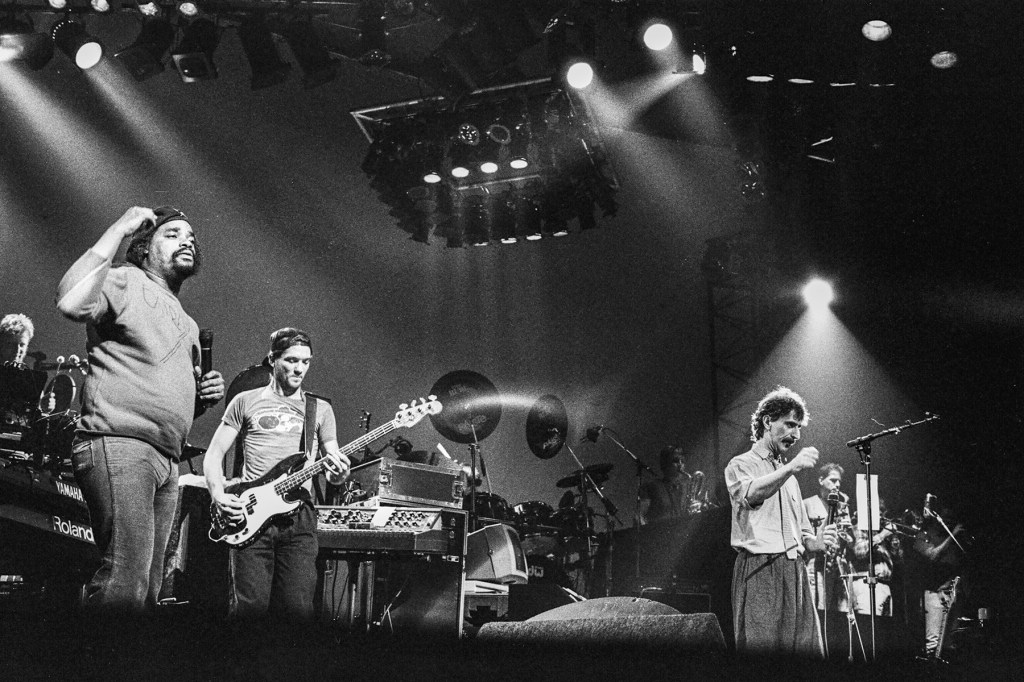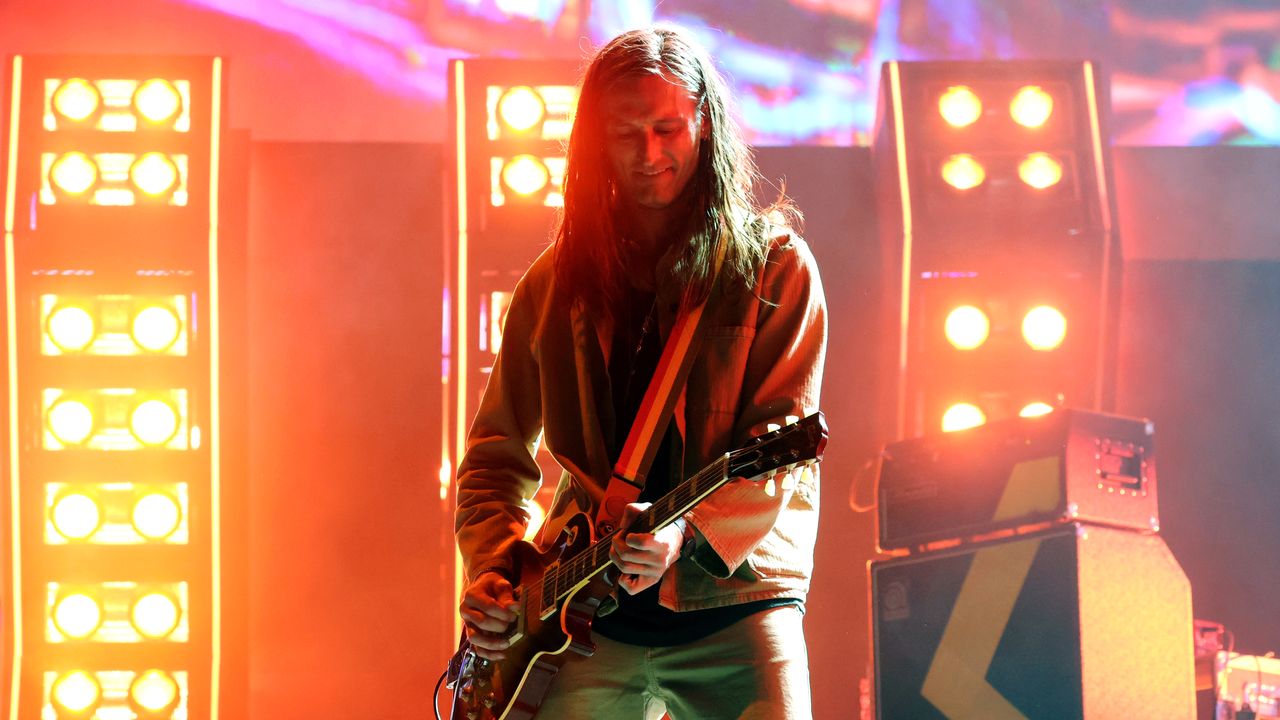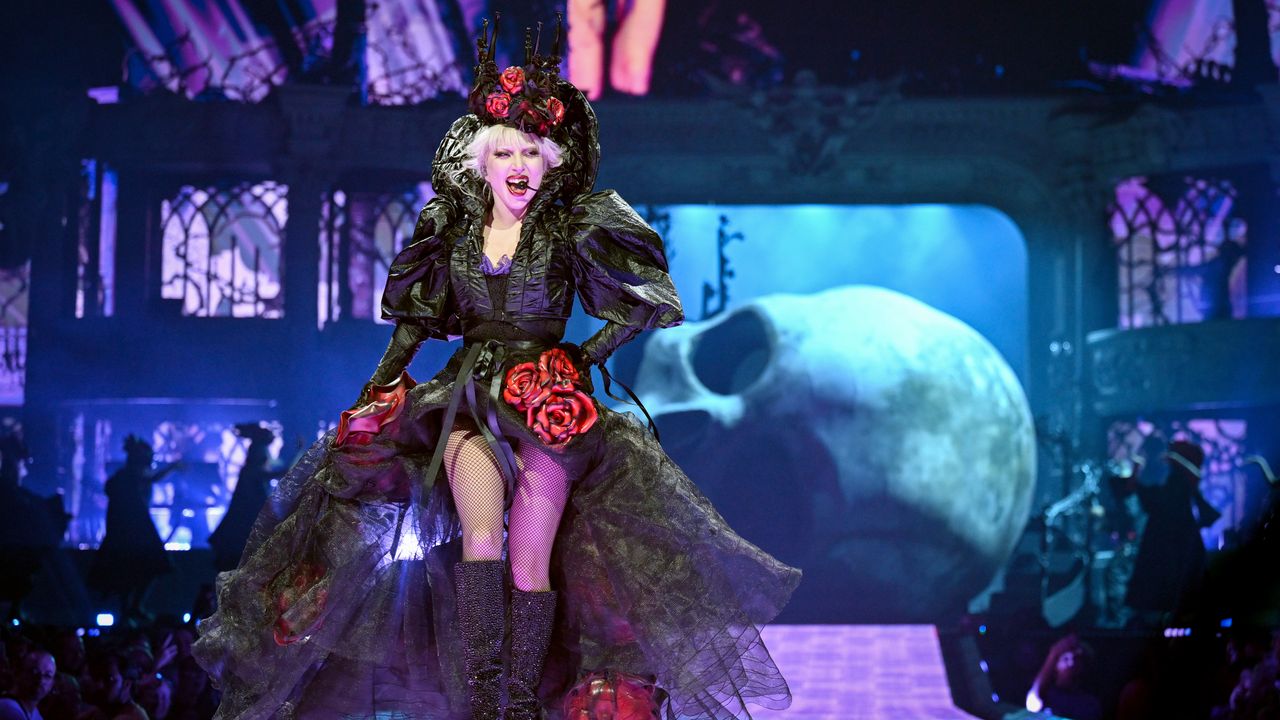
Billboard is putting renewed focus on musicians who have publicly discussed mental health, highlighting artists including Adele, Alanis Morissette, Billie Eilish, Bebe Rexha, Halsey, Duff McKagan, Rick Springfield and Chappell Roan in a feature centered on struggle, survival and care.
The piece arrives in a cultural moment when conversations about artists’ wellbeing are no longer confined to private circles. For decades, the music industry has often framed vulnerability as part of an artist’s mythology. Now, more performers are addressing mental health directly, naming experiences such as depression, bipolar disorder, panic disorder, suicidal ideation and postpartum depression.
What stands out in Billboard’s roundup is the range of voices included. These are not artists from one scene, one generation or one corner of popular music. Adele, Alanis Morissette, Billie Eilish, Bebe Rexha, Halsey, Duff McKagan, Rick Springfield and Chappell Roan represent different eras and audiences, yet their public conversations point toward a shared reality: fame does not remove emotional pain, and success does not make mental health challenges disappear.
That recognition matters because popular music often asks listeners to find themselves inside someone else’s words. When artists speak openly about depression or panic disorder, the conversation can extend beyond a song or an album cycle. It becomes part of a larger public record, one that acknowledges the complexity behind the performance.
The inclusion of postpartum depression also broadens the conversation beyond the familiar pressures of touring, recording and visibility. It places mental health within the full shape of an artist’s life, not only within the demands of a career. In doing so, the subject becomes less about celebrity confession and more about lived experience.
Billboard’s mention of bipolar disorder and suicidal ideation also points to the seriousness of what some artists have chosen to share. These are not casual disclosures. They are difficult subjects, and when musicians discuss them publicly, they help shift the tone away from stigma and toward recognition.
The feature also touches on artist healthcare, a subject that has become increasingly relevant as performers speak about what support systems should look like in an industry built on intense public attention and demanding schedules. Chappell Roan’s inclusion signals how that conversation now extends beyond individual resilience to the structures surrounding working musicians.
For fans, these public conversations can be meaningful without turning artists into spokespeople for every mental health experience. A musician’s story is still personal. But the act of speaking can make room for listeners to understand that distress, treatment, recovery and coping do not follow one simple path.
There is also a tension at the center of this kind of coverage. The public may feel connected to artists through their honesty, but that honesty should not be mistaken for unlimited access. Mental health disclosures can deepen appreciation for an artist’s work, yet they also require care from audiences, media and the industry around them.
Billboard’s roundup is ultimately less about grouping stars by hardship than about documenting a shift in music culture. Artists across generations are no longer expected to keep every struggle hidden behind the curtain. Many are choosing to describe what they have faced, how they have coped and why care matters.
In a field that often celebrates constant output, those conversations carry weight. They remind the industry that the people making the music are not only performers, brands or voices on a track. They are human beings navigating pressure, illness, recovery and the ongoing work of staying well.