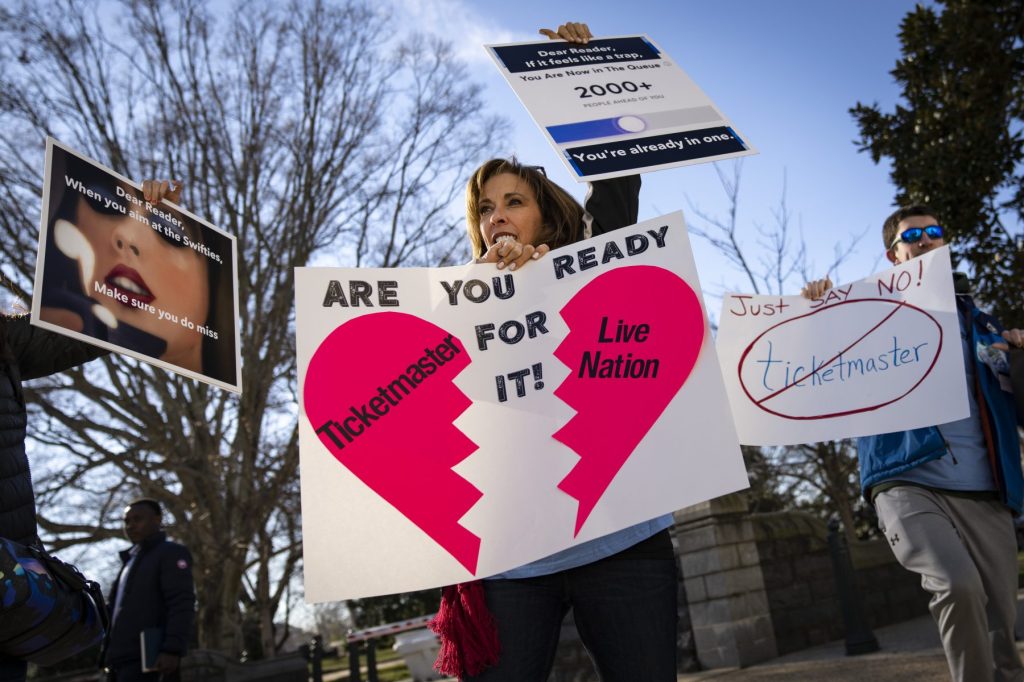
Democratic lawmakers and music industry stakeholders are criticizing the Department of Justice’s settlement with Live Nation, with renewed calls for tougher antitrust remedies after state attorneys general won monopoly claims at trial. According to Billboard, the backlash has sharpened around whether the proposed resolution goes far enough to address Live Nation’s power in the live music business.
At the center of the debate is Ticketmaster, the ticketing giant owned by Live Nation. Critics of the settlement are pushing for stronger action, including the possibility of forcing Live Nation to sell Ticketmaster. That idea has long been one of the clearest dividing lines in the broader conversation about competition, access, and accountability in the concert industry.
The current criticism is not just a reaction to one company or one agreement. It reflects a larger frustration among lawmakers and music-sector voices who believe the live entertainment marketplace needs structural change. For them, a settlement that does not meaningfully alter Live Nation’s control over ticketing risks leaving the underlying concerns intact.
Billboard reports that the pressure intensified after state attorneys general succeeded on antitrust claims tied to monopoly allegations. That development has given critics fresh momentum as they argue that enforcement should move beyond limited remedies and toward a more substantial reshaping of the business.
The renewed focus on a Ticketmaster sale underscores how central ticketing remains to the public understanding of Live Nation’s influence. Ticket prices, fees, access, and the experience of buying concert tickets have made the company a frequent target of scrutiny from fans, artists, lawmakers, and industry observers. While the source notes do not detail specific provisions of the settlement, the reaction makes clear that opponents see it as insufficient.
For Democratic lawmakers involved in the criticism, the issue is framed as one of market power. The concern is that if Live Nation remains integrated with Ticketmaster, the same competitive problems could continue even after the settlement is finalized. That is why the call for divestiture has returned with force: it is being presented as a remedy that would separate major pieces of the live music ecosystem rather than simply regulate conduct.
Music industry stakeholders have also added their voices to the response. Their criticism points to the practical impact of concentration across live entertainment, where ticketing is not an isolated service but part of a wider network of relationships between promoters, venues, artists, and consumers. In that environment, even small shifts in leverage can matter.
The DOJ settlement is now facing scrutiny not only for what it includes, but for what critics believe it leaves unresolved. The state attorneys general’s trial wins have changed the tone of the conversation, turning a legal resolution into a broader political and industry flashpoint.
For fans and artists, the outcome could shape the future of how live events are sold and accessed. For regulators and lawmakers, it is a test of how aggressively antitrust enforcement should respond when concerns about monopoly power reach the center of popular culture.
What happens next will depend on how the settlement is received and whether calls for stronger remedies gain further traction. For now, the message from critics is direct: they want more than a negotiated agreement with Live Nation. They want a solution that could include breaking Ticketmaster away from the company altogether.